Your first vein clinic visit is simple: you check in, a technologist scans your leg with ultrasound, and a vein specialist explains what the pictures show and what to do next. No needles for the scan, no hospital gown drama, and most people are home well before lunch or dinner.
Before you walk in
Most visits start with a phone call to 904.493.3333. The front desk will ask for your name, date of birth and insurance, and help you pick an office and time. FCCI is open Monday to Friday, 8am to 5pm. If you are not sure you have a vein problem at all, ask about the free vein screening, which takes about 20 minutes.*
A few things make the day easier:
- Bring your insurance card and a photo ID.
- Bring a list of every medicine you take, including blood thinners and supplements.
- Wear shorts or loose pants that roll up above the knee.
- Skip heavy lotion on your legs that morning so the ultrasound gel works well.
- Write down your symptoms and when they are worst, like evening swelling or aching after standing.
If you need to change your appointment, FCCI asks for at least 24 hours notice.
Check-in and talking about your legs
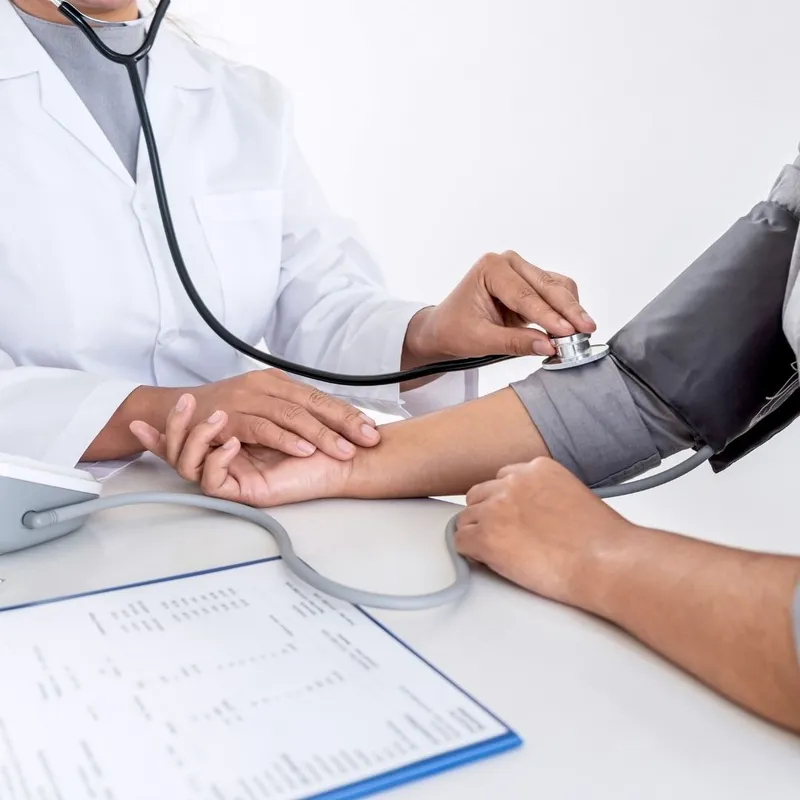
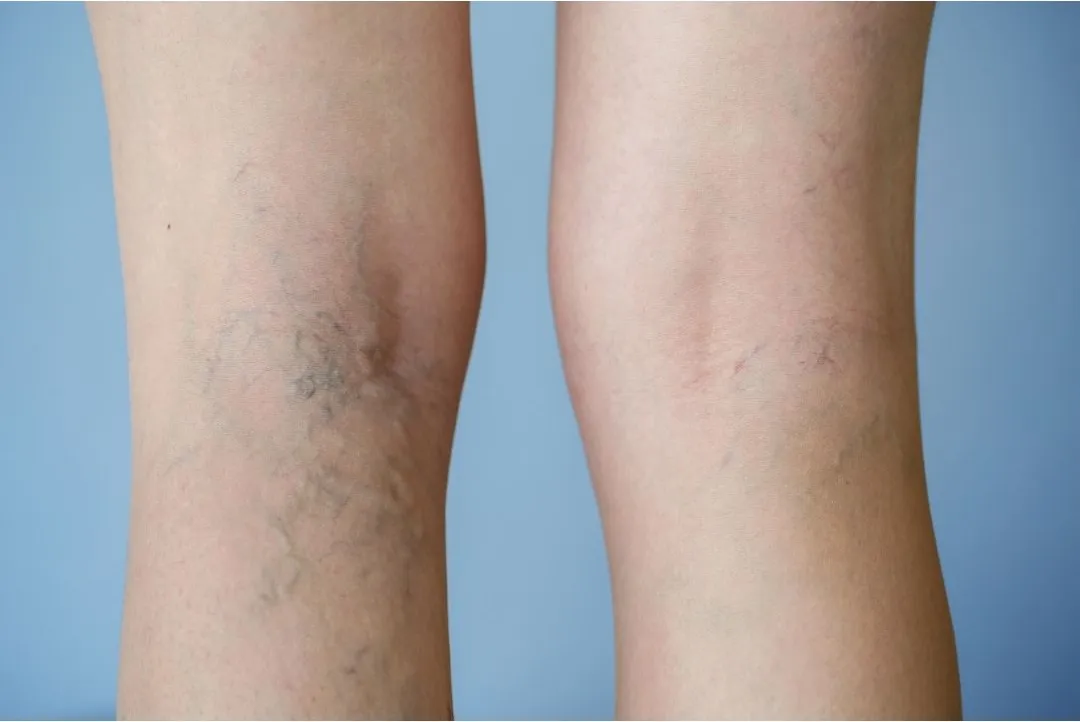
At check-in the team confirms your details and insurance. Then a member of the care team asks about your symptoms. Do your legs ache when you stand and feel better when you put them up? Do your ankles swell by evening? Have you had a blood clot before, or a big surgery, or long stretches of sitting? These questions matter because vein disease has many causes, from family history and hormones to past injury or a previous deep vein clot.
FCCI looks at your vein health as part of your overall health. That means they may also ask about your heart, your sleep and any wounds that are slow to heal.
The ultrasound
The ultrasound is the heart of the visit. A registered vascular technologist puts warm gel on your leg and slides a small probe over the skin. On the screen, they watch blood move in your veins and check whether the one-way valves close the way they should. Sometimes they ask you to stand, or squeeze your calf, to see how the veins respond.
How long it takes depends on the test. A free vein screening is about 20 minutes. A full venous insufficiency exam, which may cover both legs, takes about an hour. A venous duplex to look for a clot takes about 30 minutes. It does not hurt. Most people say the worst part is the cool gel.
The scan itself happens in FCCI's Non-Invasive Vascular Lab, which holds Intersocietal Accreditation Commission accreditation and is the one lab in Jacksonville devoted only to vascular testing.
Your results and your plan
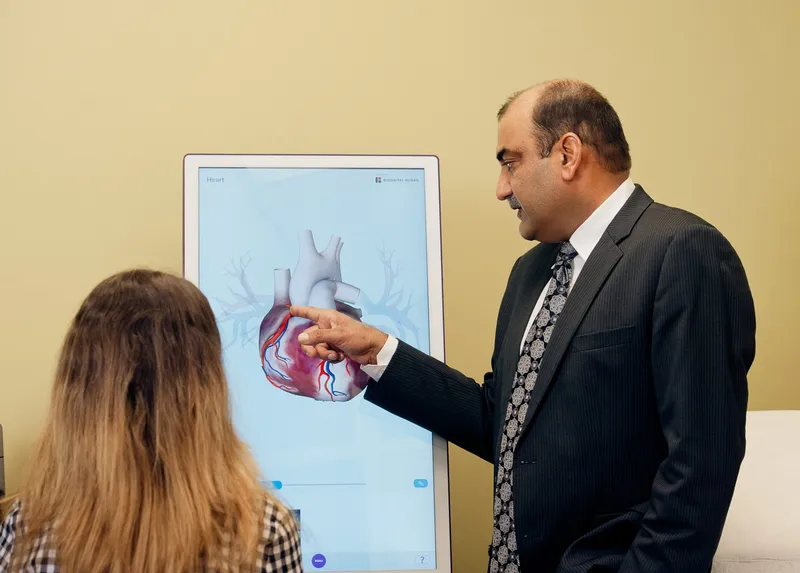
Once the images are reviewed, your doctor talks you through them. You will hear which veins, if any, are not working, whether the problem is in the surface veins, the deep veins or both, and what your options are. Options at FCCI include endovascular laser, phlebectomy and sclerotherapy for surface and cosmetic veins, and IVUS, venography, venoplasty and stents for deep vein problems.
Sometimes the scan shows healthy veins even though your legs hurt. That is useful news too. FCCI has specialists in cardiology, sleep medicine, wound care and pulmonology under the same roof, so you can be pointed to the right next step instead of starting over somewhere else.
Questions worth asking
- Which veins are causing my symptoms?
- Is my problem medical, cosmetic or both?
- What treatment do you suggest, and why that one?
- Will it be done in the office or the cath lab, and how long will it take?
- What will my insurance likely cover, and who can check my benefits?
- What should I do at home until treatment?
After the visit
If treatment makes sense, the team will help schedule it and check your benefits. If you are uninsured, ask about FCCI's self-pay fee schedule. You will leave with a clear next step, whether that is a procedure date, a follow-up visit or simply peace of mind.
Now that the first visit feels less mysterious, the next step is just a phone call. Reach the FCCI Vein Clinic at 904.493.3333, weekdays 8am to 5pm, or use our booking page to ask for a time. Sudden swelling in one leg along with chest pain or shortness of breath is a 911 call, not an appointment.